
The HP OMEN Laptops – Gaming with RTX Graphics
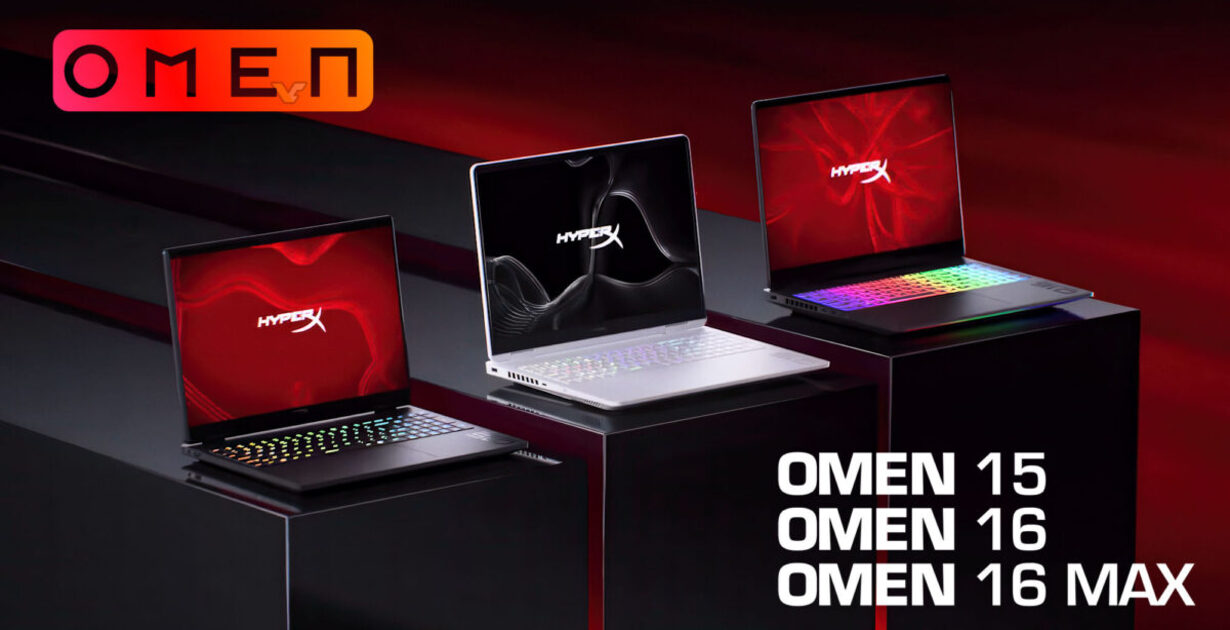
The HP OMEN series: Featuring OMEN AI, NVIDIA Blackwell graphics, and integrated HyperX wireless. See why the OMEN MAX 16 is 2026’s ‘Final Boss’ of gaming.
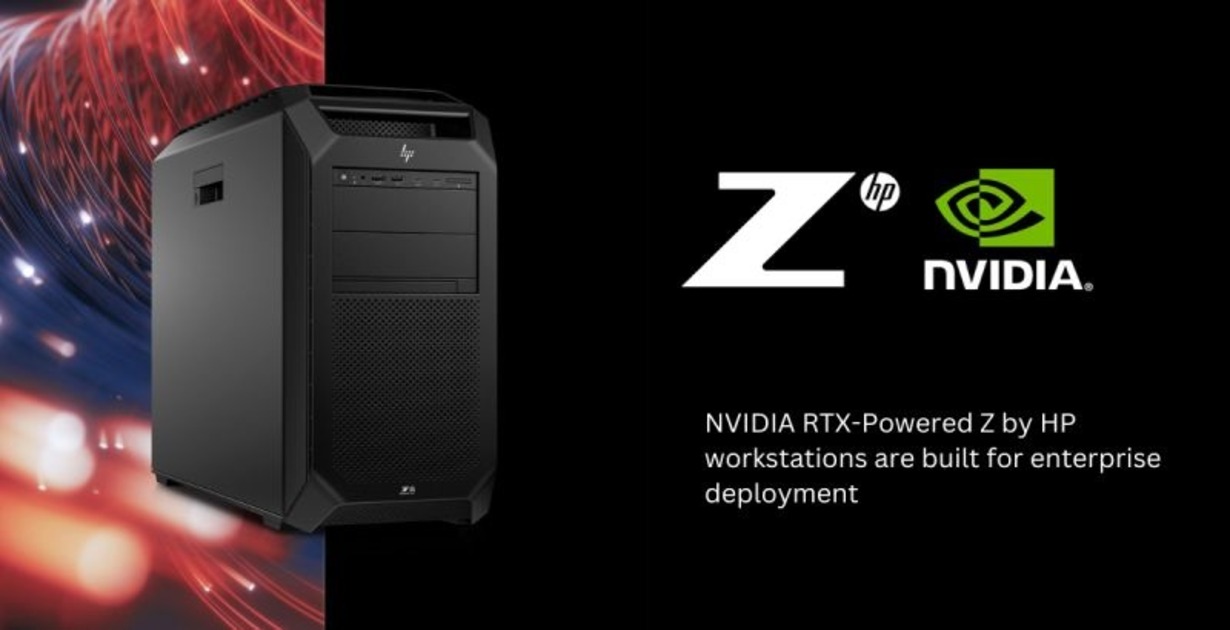
When your models grow past the “toy” phase and you’re looking at hundreds of billions of parameters, “Entry-Level” workstations stop making sense. You need bandwidth, VRAM density, and extreme thermal headroom. Enter the HP Z8 family: the heavyweight champions of local AI development.
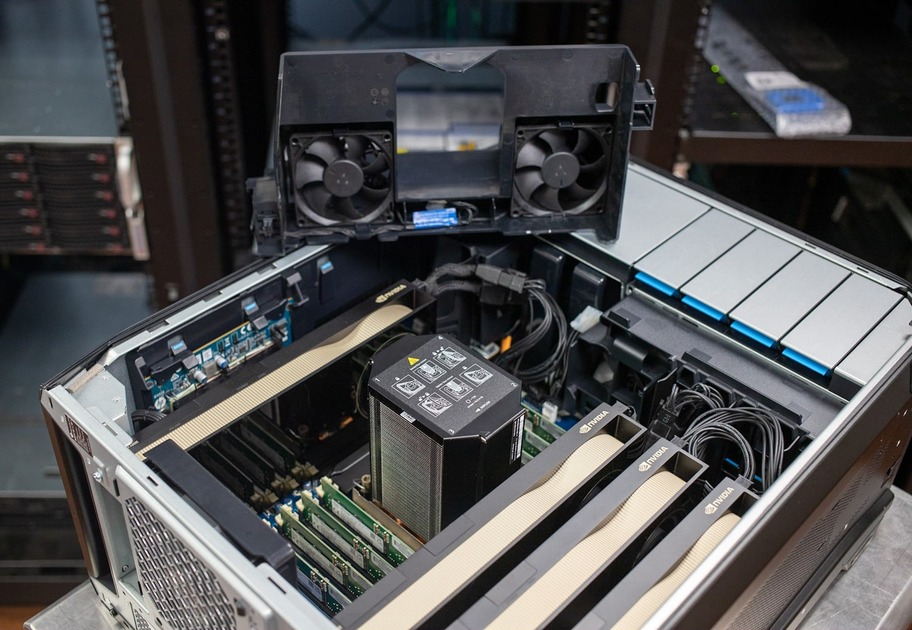
For AI developers, the Z8 Fury is the gold standard. While standard workstations might limit you to one or two GPUs, the Fury is built for GPU density.
Four-GPU Support: You can pack up to four NVIDIA RTX™ PRO 6000 Blackwell GPUs into this chassis. In 2026, that gives you a staggering amount of VRAM for training local LLMs or running massive parallel simulations.
Power for Days: With a 2,250wt aggregated power supply, you can run all four GPUs at full tilt without worrying about tripping a breaker or throttling.
While the Fury is about GPU density, the standard Z8 G5 is about raw CPU-heavy compute and memory.
1TB+ DDR5 RAM: If you are working with massive datasets that need to live in system memory for fast access, the dual-socket Z8 remains the choice for capacity.
Single-Socket Xeon W: Unlike the dual-socket Z8, the Fury uses a single Intel Xeon W9 (up to 60 cores). This architecture is preferred by many devs because it avoids the “NUMA” (Non-Uniform Memory Access) issues that can sometimes slow down GPU-to-CPU data transfers in dual-socket systems.
The HP Z8 Fury G5 redefines scale with up to 136TB of internal storage—engineered for those whose projects know no limits.”
The Verdict: Which one do you need?
If your work is primarily data analytics, computer vision, or CPU-bound simulation, the Z8 G5 is your tool.
However, if you are building, fine-tuning, or hosting Large Language Models (LLMs) and need the absolute maximum VRAM and TFLOPS available on a desk, the Z8 Fury is the only choice.
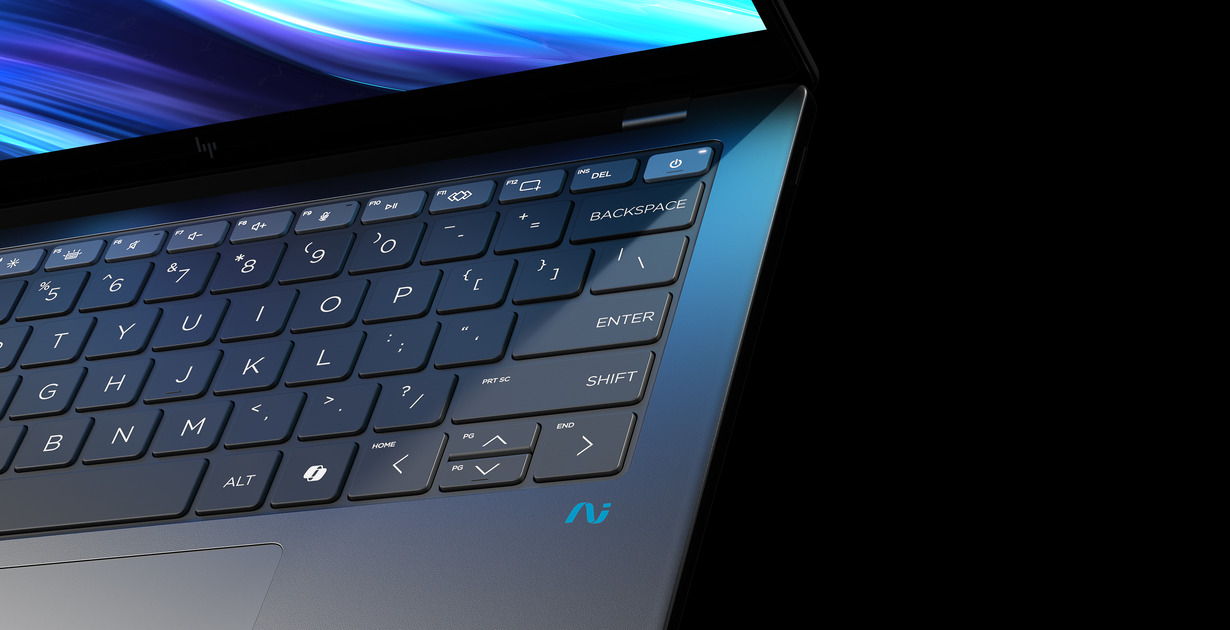
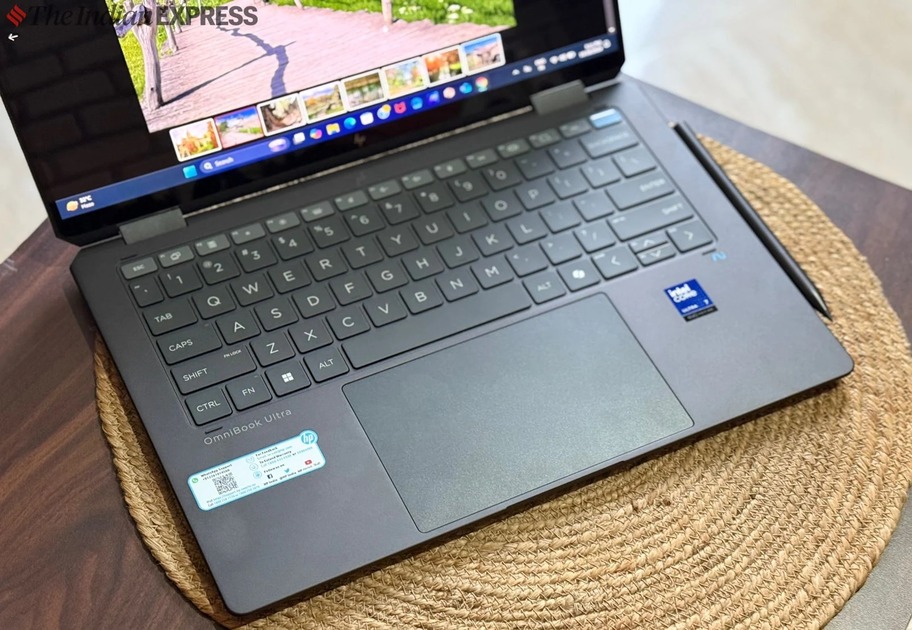
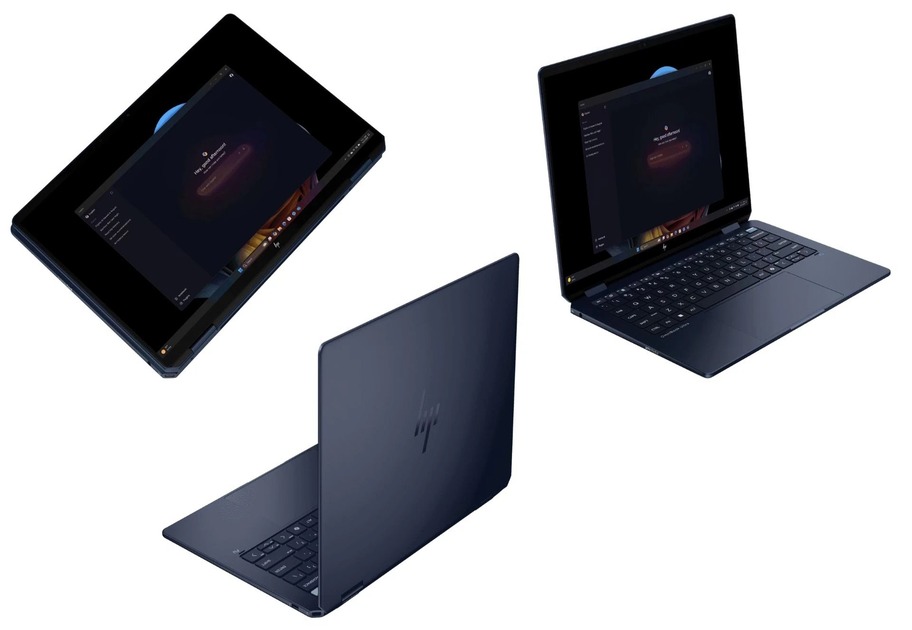
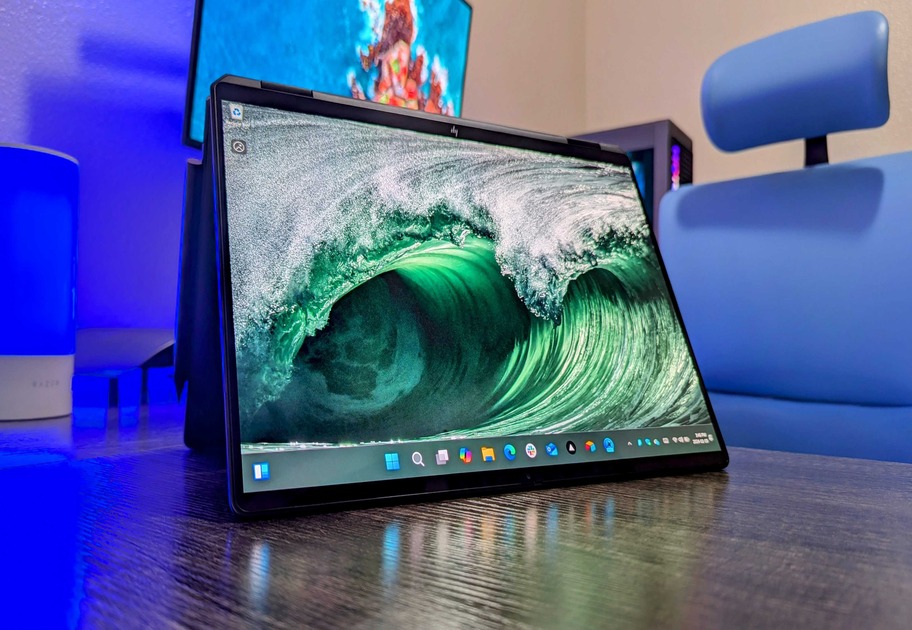
The Hook: For years, the Spectre x360 was the gold standard for convertibles. Now, HP has evolved. The OmniBook Ultra Flip isn’t just a rebrand; it’s a total reimagining of the 2-in-1 for the generative AI age.
The Narrative: “Omni” means all, and “Ultra” means power. We’re looking at a machine that flips from a coding powerhouse to a creative canvas in seconds.
Focus on the Intel® Core™ Ultra (Series 2). This isn’t your average CPU update.
The AI Engine: * Highlight the 48 TOPS NPU.
Developer Angle: Explain how the on-package memory (up to 32GB) reduces data travel distance, making local LLM inference snappier than ever.
Cool Factor: It’s a “Copilot+ PC,” meaning it’s built to handle Windows’ next-gen AI features natively, not just in the cloud.
The Chassis: Atmospheric Blue aluminum that’s both fingerprint-resistant and professional.
The Flip: The 360-degree hinge.
Laptop Mode: For the heavy lifting.
Tent Mode: Perfect for AI-assisted presentations.
Tablet Mode: For sketching with the rechargeable tilt pen.
The Haptic Trackpad: Mention the glass trackpad that uses vibration to simulate clicks—customizable and incredibly satisfying.
9MP AI Camera: This is industry-leading. Talk about the Poly Studio tuning and how AI keeps you centered and lit even in a dim café.
Battery Life: Mention the leap in efficiency—Lunar Lake allows for nearly a full day of “real-world” AI workloads.
Connectivity: Wi-Fi 7 support. If you’re building in the cloud but working locally, your pipe is as fast as it gets.
The AI Developer: Who needs a portable machine to test local models and write code without being chained to a workstation.
The Creative Lead: Who wants the best-looking screen (OLED) and the versatility of a tablet for markups.
Final Quote: “The Ultra Flip is a 360-degree solution to a world that no longer works in a straight line.”